Category: Manufacturing Insights

  • What to include in a webbing specification

    What to include in a webbing specification

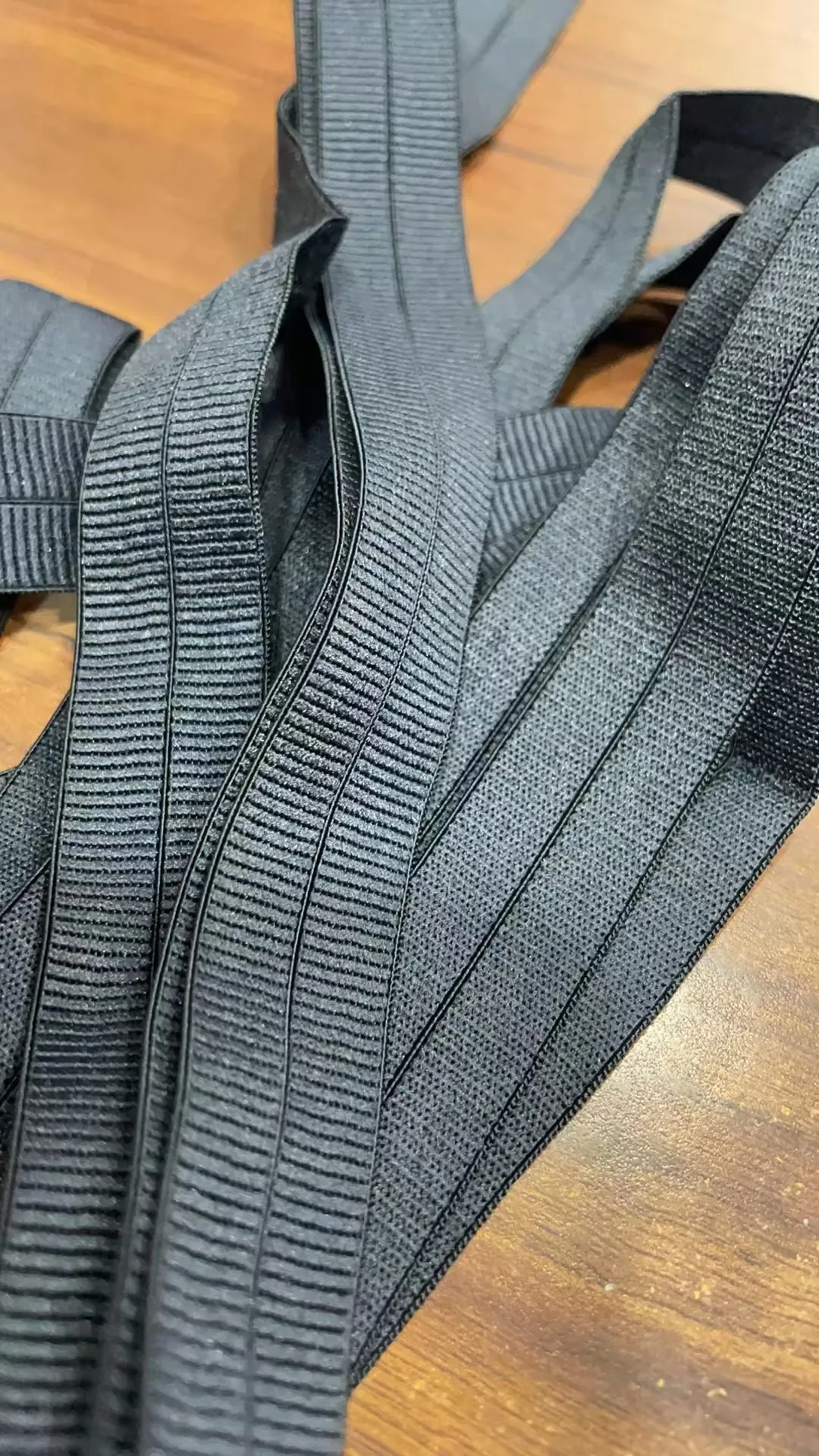
    Two webbing samples of the same width can feel and behave very differently. Start with the job the tape needs to do and the parts it needs to fit. Then choose the construction and finish with those requirements in mind.

    Describe how the webbing will be used

    Tell us if it’s for binding, decoration, a strap or an elastic component. Include the finished width and thickness, and show any buckle, slider or channel it needs to pass through. A drawing, photo or reference sample can help us understand where the tape sits in the product.

    Specify stretch and feel

    Note whether the webbing should stretch, how it should feel against other materials, and whether it needs to lie flat or hold its shape. Polyester, cotton and nylon are options. If you’re comparing materials, tell us which matters most for the design so we can suggest a construction to sample.

    Send colors and any artwork

    A Pantone reference or physical swatch gives us a starting point for color matching. For a repeating stripe, pattern or woven text, mark the intended dimensions and placement in your artwork. Review the sample under the conditions in which the finished product will be used.

    Flag any testing requirements early

    If your buyer specifies a load, stretch range or test method, include the target and the method in your inquiry. We’ll discuss how to check the requirement on the proposed material and confirm which supporting documents apply.

    Send your webbing specification to discuss a sample and quote.
  • How to specify custom shoelaces

    How to specify custom shoelaces

    A reference lace is a good starting point, especially if the new lace needs to fit an existing shoe. If you’re developing from scratch, the eyelets, lacing pattern and finished appearance are the details that matter most. Here’s what to send before you request a sample.

    Measure the finished lace

    Measure the lace tip to tip. If there’s no reference lace, thread a spare cord through the shoe as it will be worn and tie it. That gives you a starting length. Specify whether the order should be quoted as individual laces or pairs, and list the quantities for each length and color.

    Choose the profile and material

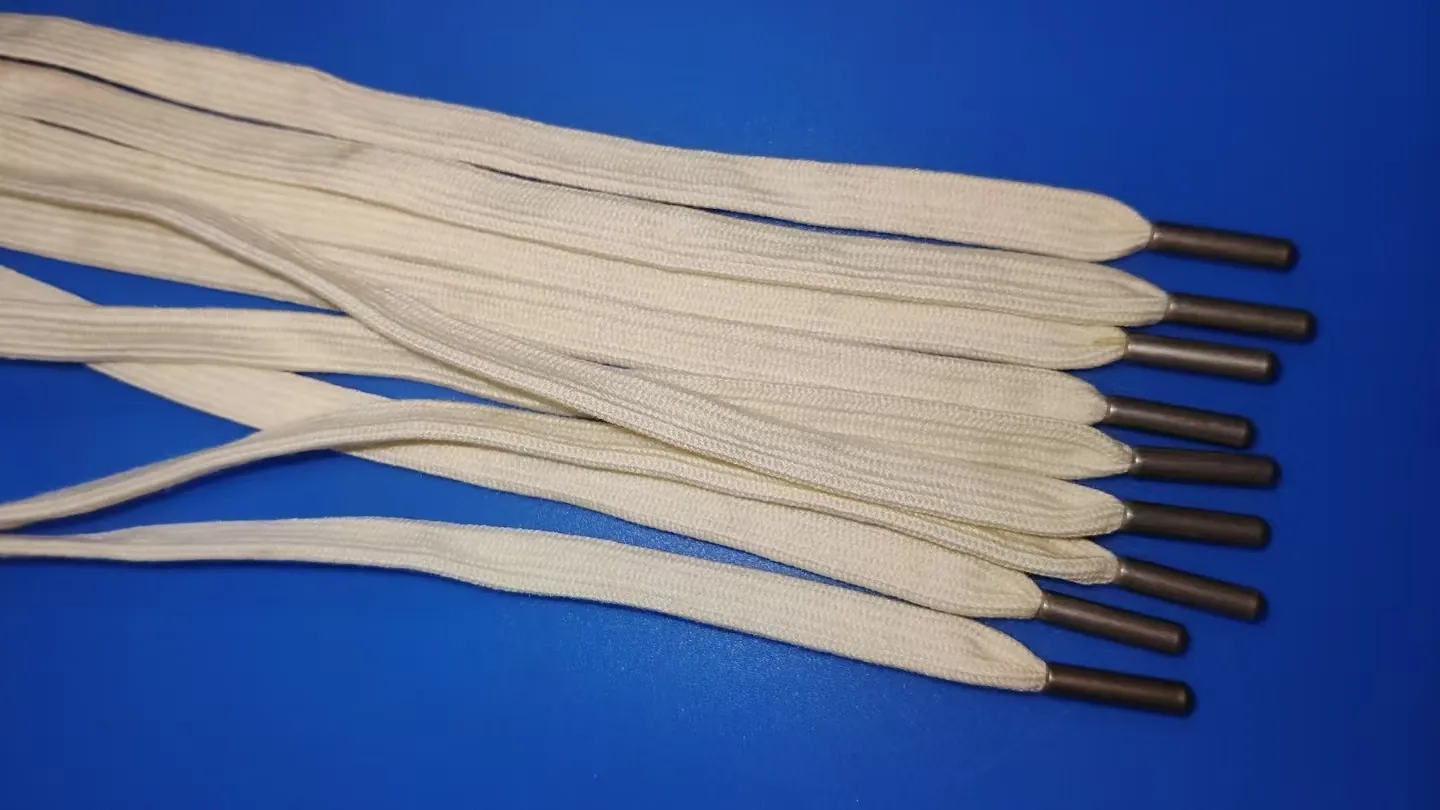
    Flat laces offer a broad surface for stripes and woven patterns. Round laces give you a more compact profile. Send the width or diameter and tell us if the lace needs a particular texture, finish or stretch. If material matters for the program, include it in the brief.

    Check the tip against the eyelet

    The aglet needs to pass through the smallest opening in the shoe. Send a photo or measurement of that opening and indicate whether you want plastic, metal or another finish. If the tips need to match a color or carry a logo, include a color reference or artwork.

    Approve on the actual shoe

    Try the sample in the intended shoe. Check how it threads, sits and ties, then send feedback on color, length, feel and tip fit. Confirm the sample before production. A typical sample takes about one week. Tell us if you need a faster turnaround.

    Send your shoelace specification to discuss pricing, timing and quantity.